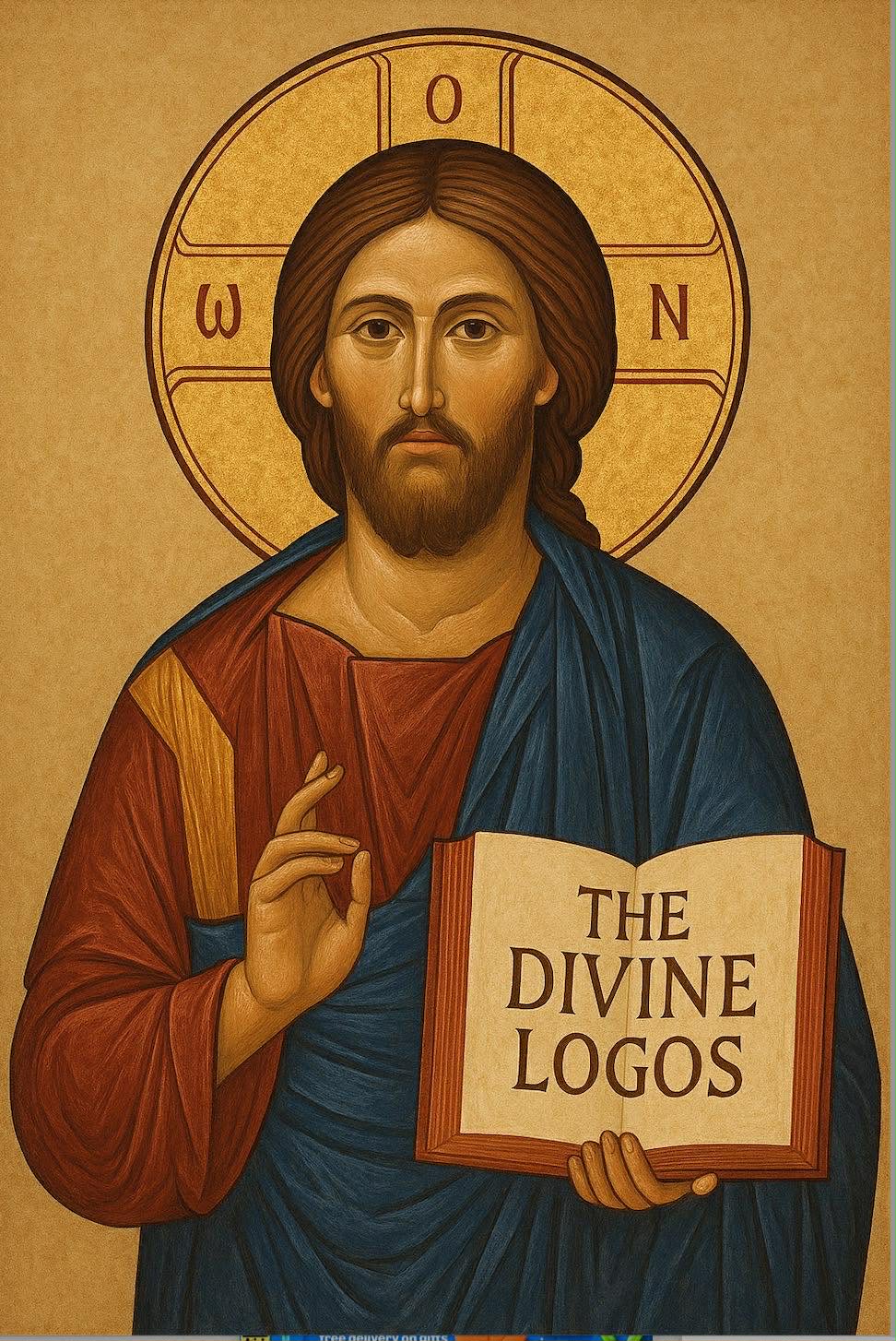

Last week, our dear brother and friend Paul Francis entered the mystery that every Christian must one day face- death. Yet for us who believe in Christ, death is never the final word.
Paul suffered deeply in his final weeks. What began as appendicitis became a complicated series of medical struggles that his body could no longer overcome. For more than a month, he endured pain and weakness, yet in the midst of it all, he remained surrounded by prayer, family, and faith.
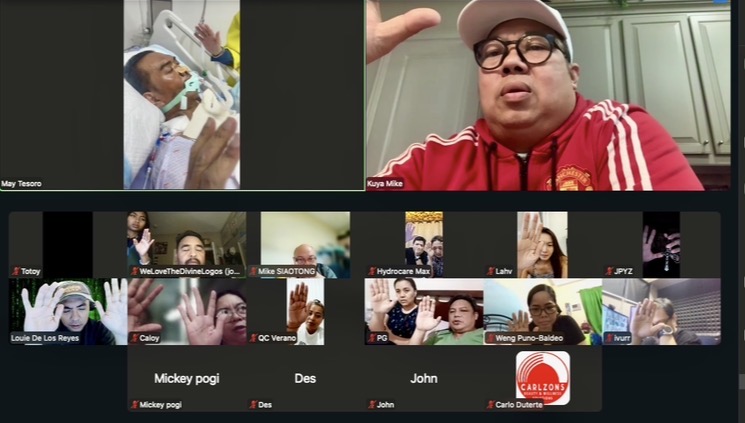
I had the grace to see him through FaceTime one last time before he passed away. Special thanks to the Tesoros and the Anonuevos for making it possible. They managed to bring Paul into the video while he was in the ICU so that we could pray over him. It was not an easy thing to do, and they knew there was a risk that they could get into trouble. Yet they did it anyway out of their deep love for Paul and their love for the Lord.
In many ways, that reflected who Paul himself was: someone willing to take risks for the people he loved. That is one of the reasons why so many were inspired by him.
Even in his pain, Paul managed to lift his hand and wave. It was a small gesture, but one filled with courage. We prayed the Rosary, the Divine Mercy with him, and prayed over him. It was a moment that reminded me how powerful prayer is when the Church gathers around a suffering member of Christ’s body.
Watching him, I could not help but remember the words of Padre Pio:
“Remember, our suffering is brief but our reward is eternal.”
Some saints suggest that in God’s mercy, the sufferings we endure in this life can become a purification of the soul, almost like a kind of “purgatory on earth,” where the Lord gently refines us through trials. The Church reminds us that those who die in God’s grace may still undergo purification before entering the fullness of heavenly glory (CCC 1030–1031).
If that is so, then Paul may have already carried a great share of that purification here with remarkable patience and faith.
A Name That Reflected His Life
Paul’s name itself carried a beautiful meaning.
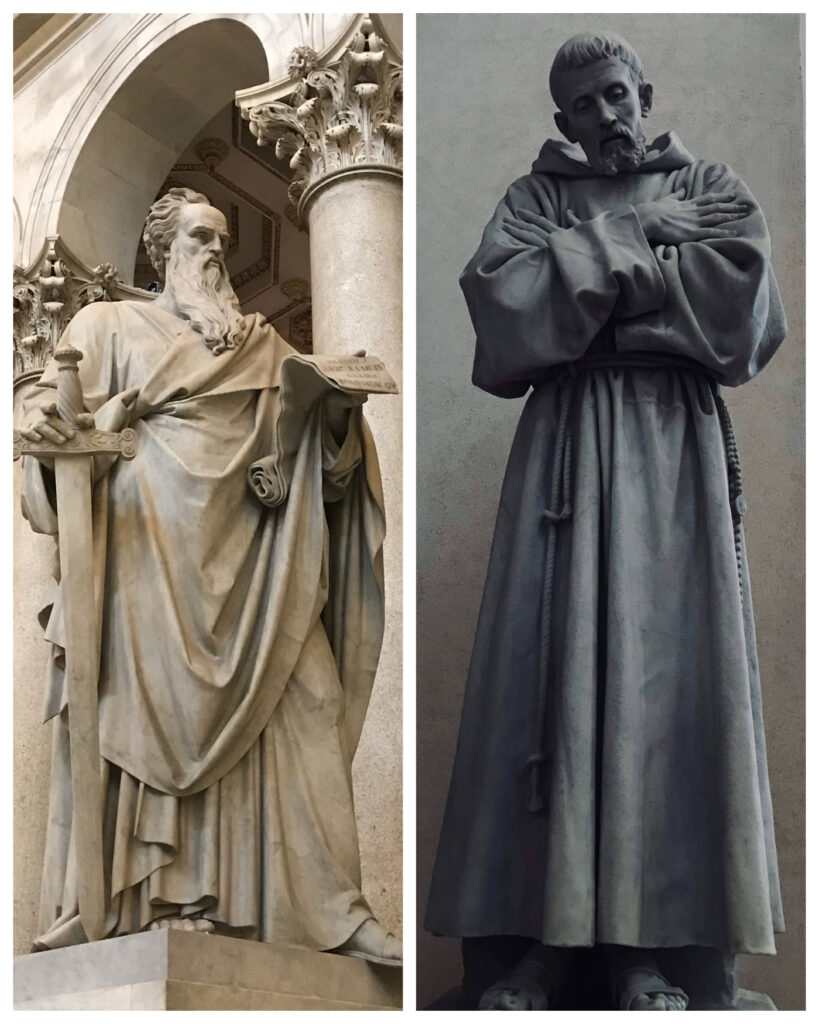
The name Paul reminds us of Paul the Apostle, bold, fearless, and uncompromising in proclaiming the truth. That is exactly how I remember Paul from our days in Youth For Christ. As a leader, he never gave exemptions, even to his own family, especially his brothers or close friends. If something was not of God, he would say it clearly. He loved people enough to correct them because he loved the truth even more.
But Paul was not only bold.
The second part of his name, Francis, brings to mind Francis of Assisi, the saint who embraced poverty, humility, and suffering for the sake of Christ. In many ways, Paul’s later years echoed this spirit. Through illness and hardship, he remained faithful, to his vocation, to his family, and to the Lord.
My two sons are named Paul and Francesco, after my deep devotion to those two saints. In many ways, my friend Paul embodied both of them, he had the boldness of Paul the Apostle and the humility and faithful endurance of Francis of Assisi. Seeing him live out these virtues reminded me why I chose those names for my children: to inspire them to live lives of courage, love, and faithful service, just as Paul did in his own life.
A Man of Service
Paul served in many ways throughout his life.
He served his country faithfully as a Lieutenant Colonel in the Philippine Air Force. He served the Church through evangelization and leadership in ministry. And perhaps most beautifully, he served his family as a devoted husband and father.
Paul loved the sacraments and remained committed to his faith. His life was not perfect- no Christian life is- but it was deeply oriented toward God. Even in the small moments, his faith and wisdom shone through, as I experienced firsthand the last time I saw him.
The last time I saw Paul was on June 28, 2025, when I was in Davao City, Philippines. We met for coffee at Paramount Coffee Shop to catch up. At that time, I had just been let go from one of the Catholic schools where I had taught and served for three years. I shared with him how I had been treated unfairly, as I also wrote in this article Trusting God When Doors Close Without Explanation.
As always, Paul offered advice that was both practical and grounded in faith. Like a true servant of God and a man of discipline, he said:
“Bai, Mao nang reality sa tong kinabuhi, especially if you follow God. Just deal with it. I bless ka always sa Ginoo sa imong love sa iyaha.”
In English: “That’s life, bro. This is our reality when we follow God. Keep going, the Lord will always bless you, especially because of your love for Him.”
There was no pity in his words, only realism and encouragement. It was the kind of advice St. Paul or the saints might give: continue serving God faithfully, endure life’s trials, and trust that He will redeem everything in His time.
And beside him throughout his suffering was his wife, Janice.
Watching her during those difficult days was a profound witness. She remained by his side, living out the sacred vows of marriage: “for better, for worse, for richer, for poorer, in sickness and in health, until death.” You could see the suffering in her eyes, yet she carried herself with grace and quiet strength. It was love in its most sacrificial form.

Why Death Frightens Us
Death frightens us because it was never part of God’s original plan.
In the beginning, Adam and Eve lived in perfect communion with God. But through sin, death entered the world. The serpent’s lie shattered that harmony, and humanity became subject to suffering and mortality.
Yet even in that moment of darkness, God made a promise.
In Book of Genesis 3:15, often called the Protoevangelium, God foretold that the offspring of the woman would crush the serpent’s head. From the very beginning, redemption was already being prepared.
That promise was fulfilled when God sent His Son, the Eternal Logos, the Divine Word, to save us.
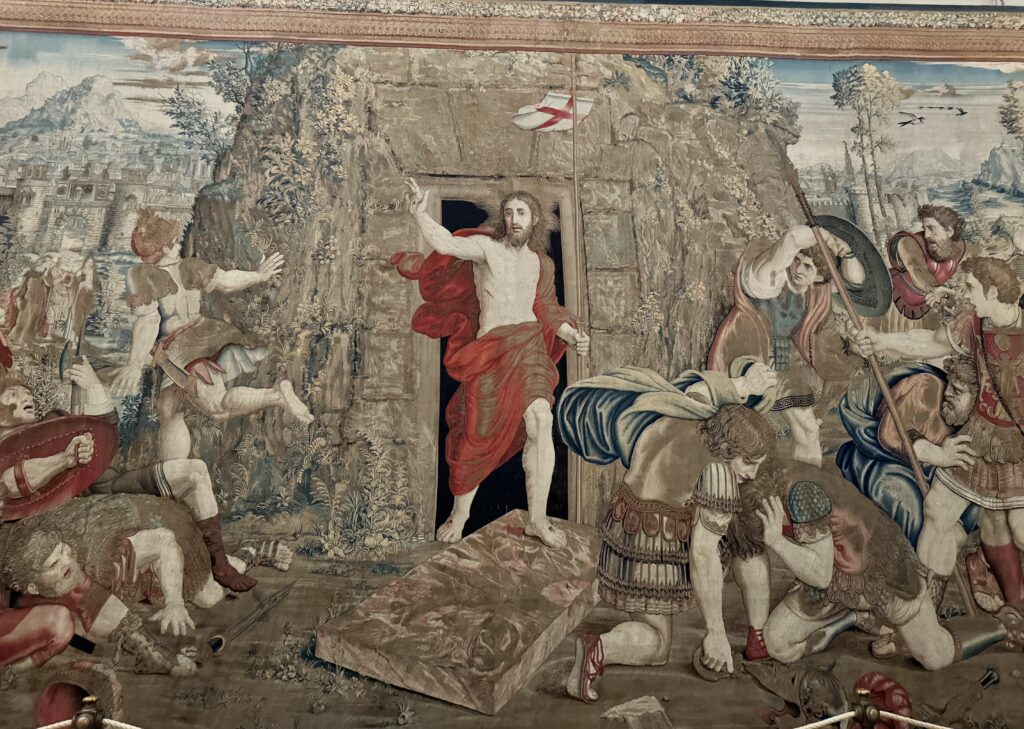
Jesus Christ entered our suffering, conquered sin, and defeated death through His resurrection.
As Scott Hahn beautifully explains in Hope to Die, death for Christians is not merely an end but a passage, a doorway into eternal life with God.
For many, it may be hard to understand why Paul had to suffer and die so soon, while his family is still growing, or why his children, Jana and Ethan, are left to grow without their father. These questions touch the mystery of our fallen world, where suffering, illness, and death are sadly part of human reality. Yet even in these trials, God offers a path of hope.
Through Janice’s faithful love and guidance, and through the support of family, friends, and community, Paul’s family can rely on God’s providence and mercy.
The Church teaches that suffering has meaning when united to Christ’s own offering opportunities for growth, sanctification, and trust in God’s plan (CCC 1011, 1040). Though we do not always understand why God allows pain, we can place our hope in Him, knowing that He is always near to the brokenhearted (Psalm 34:18), and that His grace sustains those who remain faithful in love.
Death Is Not the End
The Catholic Church teaches that death is the moment when our earthly pilgrimage ends and we meet the Lord. But for those who die in Christ, death is not defeat, it is the beginning of eternity.
We cannot say with certainty where any soul is at this moment except those the Church canonizes as saints. That is why the Church calls us to pray for the dead. Our prayers help those who may still be undergoing purification in purgatory before entering the fullness of heaven.
So we continue to pray for Paul.
But we also hope.
We hope that the sufferings he endured, the faith he lived, the sacraments he received, and the love he gave, to God, to the Church, to his family, and to his country, have prepared him for the eternal embrace of Christ.
A Life That Still Speaks
Paul’s life reminds us of something important:
Christianity is not only about how we die, it is about how we live.
- Paul lived boldly for the truth like the Apostle Paul.
- He endured suffering with faith like Francis of Assisi.
- He served God, family, and country with dedication.
His life now challenges us to do the same:
- To live faithfully.
- To love courageously.
- To serve God without compromise.
Because one day, we too will face the same passage. And when that day comes, may we meet the Lord with the same hope that Paul now entrusts himself to the hope that Christ has conquered death and opened the gates of eternal life.
As Scripture reminds us:
“Death is swallowed up in victory.” – First Epistle to the Corinthians 15:54
Eternal rest grant unto Paul Francis Laburada, O Lord, and let perpetual light shine upon him. Amen.


Leave a Reply to Claire Cancel reply