Called to Speak the Truth
As a catechist and a Catholic educator, I have come to understand that my calling is simple, but never easy: to speak the truth with love and to imitate Christ. Jesus Himself tells us, “I am the way, the truth, and the life” (John 14:6). If He is the Truth, then following Him necessarily means living, and proclaiming, that truth, even when it is uncomfortable.
The Mission and the Challenge
Scripture is clear about this mission. St. Paul urges us to “speak the truth in love” (Ephesians 4:15), not to win arguments, but to lead others into the light. Over the years, serving in parish Confirmation programs, youth ministry, and Catholic schools, I have seen how vital this is. Our young people today are bombarded with lies, through social media, cultural pressure, and distorted ideas about identity, sexuality, freedom, and happiness. But it isn’t only the youth. Many adults, including parents, struggle as well, often because their consciences have not been formed by the mind of Christ or nourished by the teachings of the Church.
Truth and Love in Pastoral Accompaniment
Through the years, I have learned that truth without love becomes harsh, and love without truth becomes empty. Jesus shows us this perfectly. He spoke the truth clearly, not to please the crowds, but to lead them to salvation. When His teaching became difficult to accept- including the teaching about the Eucharist and the Sacrament itself- many walked away, and He did not soften the truth or apologize for it (cf. John 6:66–68). Yet everything He said flowed from love. He spoke the truth because He loved, and He loved so deeply that He laid down His life for those He taught (John 15:13). I’ve learned that compassion without truth may feel kind in the moment, but it doesn’t truly heal. Real love doesn’t hide the truth, it carries it gently, patiently, and with a sincere desire for the good of the other.
This has shaped how I understand pastoral accompaniment. When young people struggle with the Church’s teachings, my first step is always to listen, to let them know their questions are welcome. Then I walk with them, offering clear and compassionate explanations rooted in truth.I do not water down Catholic teaching, but I also never close the door to dialogue. The goal is always the same: to keep them close to Christ and His Church, because “the truth will set you free” (John 8:32).
Facing Opposition in the Church and School

When I taught Confirmation in a parish and theology in a Catholic school,my responsibility was clear: to teach what Jesus has handed on to us through His Church. Over time, teaching the truth became part of who I am. Yet that same truth sometimes placed me in difficult situations. There were moments when parents raised concerns to the pastor, or when school administration called me in to explain lectures that simply reflected what the Church actually teaches.I faithfully taught the Church’s moral and doctrinal teachings on the dignity of the human person, human sexuality, the sanctity of life from conception to natural death- including the Church’s teaching on abortion- the Sacrament and indissolubility of marriage in the face of divorce, and the Four Last Things: death, judgment, heaven, hell, and purgatory. These are not political positions, but truths of faith handed on by Scripture and Tradition, offered not to condemn, but to lead souls toward conversion, responsibility, and hope in eternal life. Students deserve to hear the fullness of the faith, not to frighten them, but to help them prepare their lives for eternity. What was most painful was the irony: some leaders within the Church, entrusted with forming young minds, encouraged me to soften the very teachings of Christ.
And yet, Scripture reminds us to “speak the truth in love” (Ephesians 4:15), and the Catechism calls the Church the “pillar and foundation of the truth” (cf. CCC 891). In moments of confusion and discouragement, I sought counsel from priests I deeply trust, and their guidance affirmed what I had believed all along. As St. John Paul II teaches in Veritatis Splendor, true freedom can never be separated from truth. To follow Christ faithfully sometimes means standing firm, even when it is uncomfortable or misunderstood.
Guiding Students Toward Christ
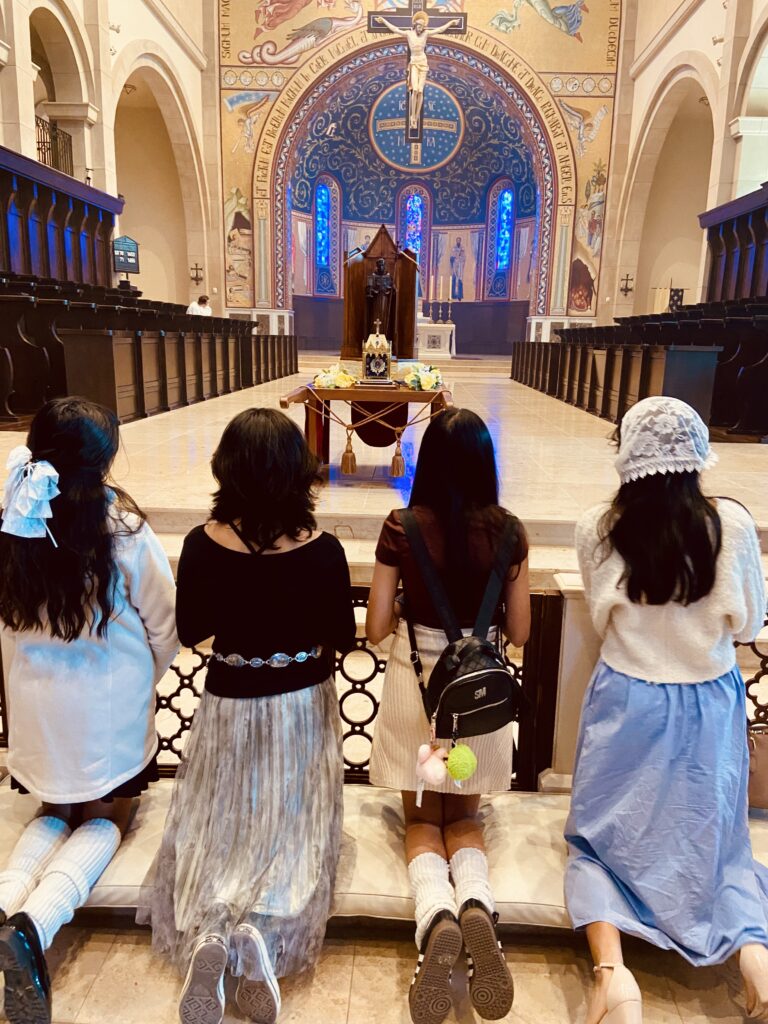
There were also moments when standing up for the truth put my job at risk. Sharing the truth often meant doing more, guiding students to Eucharistic adoration, where they could encounter Christ Himself, not just learn about Him, helping them grow in their love for Him, and accompanying them toward holiness. Yet despite these efforts, I faced pressure to remain silent, even being discouraged from bringing students regularly to adoration. Those experiences were deeply disheartening, and eventually, speaking the truth did cost me my job. I experienced a form of persecution. Yet even in the face of opposition, there was no regret, only peace. And I am grateful that I spoke the truth to my students about Christ.
That does not mean there were no fears. I am a husband and a father. I provide for my family. I had moments of doubt. I wondered, What if I actually lose my job? But fear never had the final word. Scripture is honest about this cost: “All who desire to live a godly life in Christ Jesus will be persecuted” (2 Timothy 3:12). The Gospel never promises comfort, only fidelity.
Fear, Courage, and the Saints
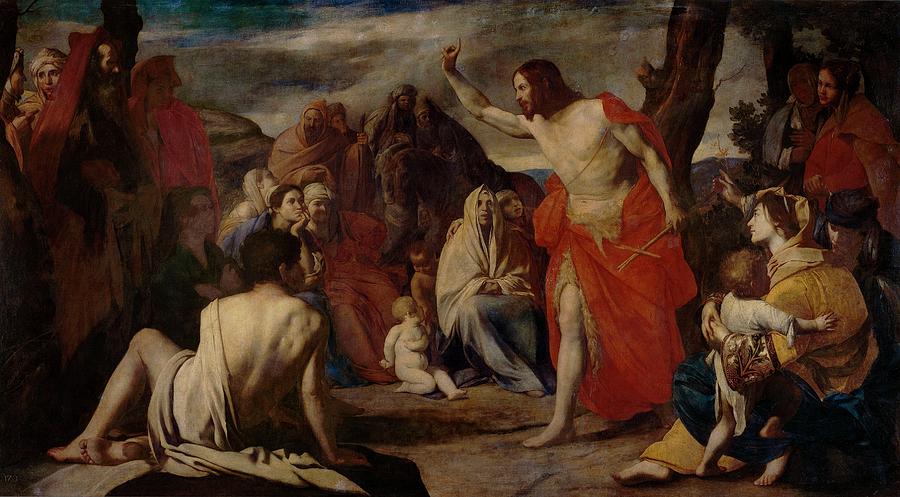
When I look at the saints, I am reminded that martyrdom is not only about dying for the faith. Many were martyred by living and speaking the truth boldly, even when the world rejected them. John the Baptist lost his life for confronting Herod about his unlawful marriage (Mark 6:17–29). St. Paul could say with conviction, “For me, to live is Christ and to die is gain” (Philippians 1:21). Their witness forces me to ask: Do I have the same courage to live my faith today? Every time I guided students closer to Christ or helped them grow in holiness,I was stepping into that same call.
Truth Leads to Eternal Life
Only God knows the full answer, because He alone sees the heart. But I know this much: truth always leads to Christ, and Christ is always worth the cost. I got into trouble many times, and I knew what I was risking. Yet the truth never intimidated me enough to silence me, because once you encounter Jesus, you realize there is nothing more loving, more freeing, or more necessary than pointing others to Him.
Scripture reminds us that truth leads to eternal life, even when it is rejected. As St. Peter writes, “Even if you should suffer for righteousness’ sake, you will be blessed… Always be ready to give an explanation to anyone who asks you for a reason for your hope” (1 Peter 3:14–15). These words remind me that living and speaking the truth is never in vain, it always leads to Christ and the life He has promised.
The Heart of Discipleship
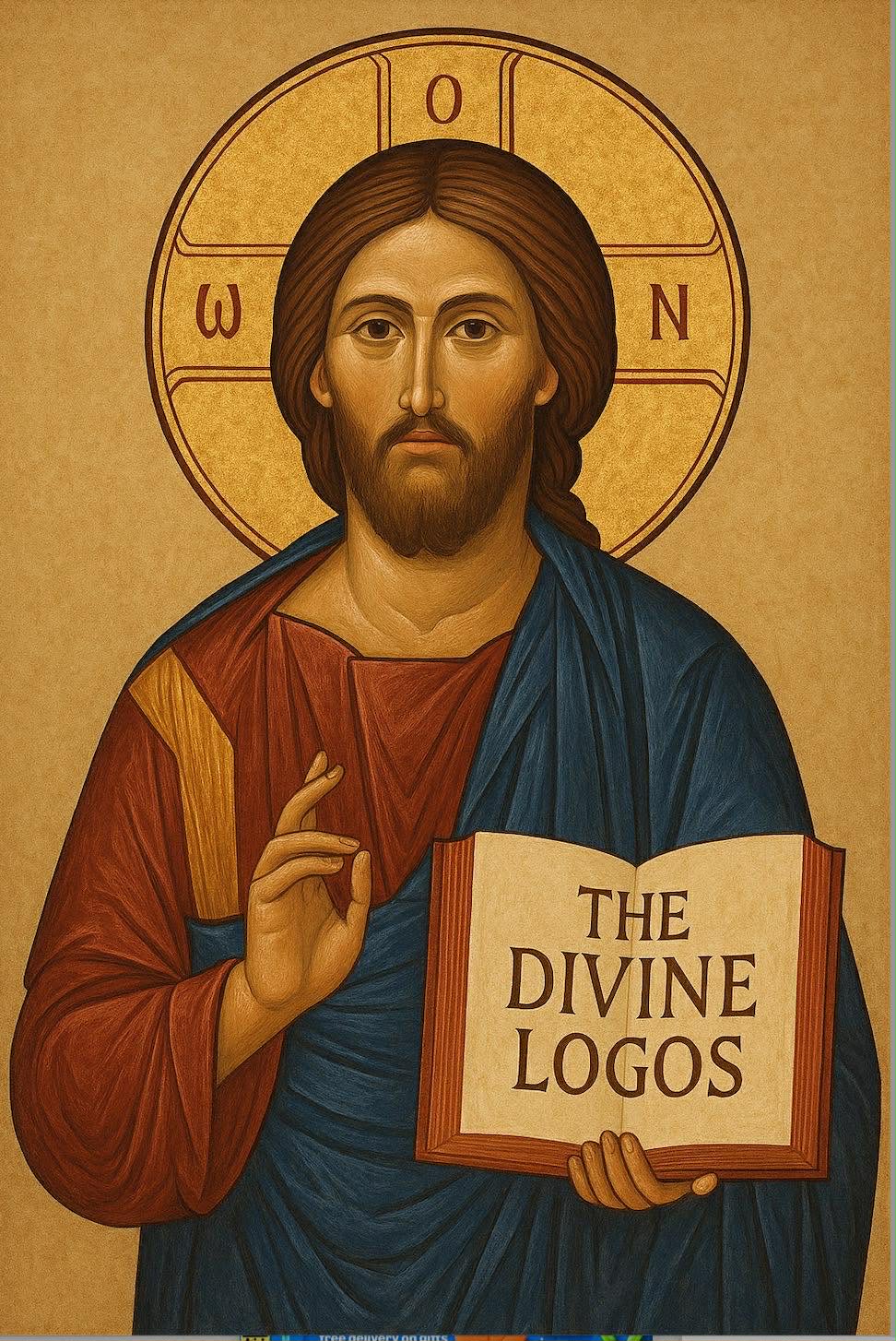
And that, I believe, is the heart of discipleship: to live and speak the truth faithfully, even when it costs you something, even when it is uncomfortable or misunderstood. I have faced opposition, fear, and the risk of losing my job, yet each time I guided students closer to Christ or helped them grow in holiness, I knew I was stepping into the same call the Gospel demands. And if the Lord calls me to do it again, here or elsewhere, I would do so without hesitation, because truth always leads to Him, and Christ- the Divine Logos, the eternal Word made flesh- is always worth the cost.


Leave a Reply