How God Makes Himself Known and Why the Church Is Essential to Knowing Christ
At the heart of every authentic catechetical mission lies a simple but profound question: How do we truly know God? Not, merely know about Him, but know Him personally, His heart, His will, His plan for our salvation. The Church’s answer to this question is found in Divine Revelation, God’s loving initiative to make Himself known. Understanding Revelation is not only foundational to Catholic theology; it is the very soul of catechesis.
Both the General Directory for Catechesis (GDC) and the Catechism of the Catholic Church (CCC) begin with Revelation for a reason. Catechesis does not begin with moral rules, doctrines, or programs, it begins with God who speaks, God who comes to meet humanity in love. As Dei Verbum, the Dogmatic Constitution on Divine Revelation, teaches, Revelation is God’s personal self‑communication, inviting us into communion with Him (DV 2).
The Human Heart: Created for Revelation
Every human person carries within the depths of the heart a longing for God. This desire is not accidental; it is woven into our very being. As the Catechism beautifully states, “The desire for God is written in the human heart, because man is created by God and for God” (CCC 27). We search for truth, meaning, and happiness because we were made for an eternal relationship with the One who alone can satisfy that longing.
Saint Augustine captures this universal experience with timeless clarity: “You have made us for yourself, O Lord, and our heart is restless until it rests in you” (CCC 30). Through reason and reflection on creation, we can come to know that God exists (CCC 36). Created in God’s image, the human person has the capacity to seek and recognize truth.
Yet this natural path to God is often obscured. The limits of human reason, the wounds of original sin, and the distractions of a fallen world make it difficult for us to grasp religious and moral truths clearly and consistently. As the Catechism acknowledges, “Man experiences many difficulties in coming to know God by the light of reason alone” (CCC 37). We do not merely need better arguments, we need God Himself to speak.
Divine Revelation: God Takes the First Step
Here we encounter the great gift of Divine Revelation. Beyond what human reason can discover on its own, God freely chooses to reveal Himself. Revelation is not primarily a collection of ideas or information; it is a relationship. God reveals Himself so that we may know Him, love Him, and share in His own divine life.
The General Directory for Catechesis explains that Revelation is God’s loving initiative by which He draws humanity into intimacy with Himself, Father, Son, and Holy Spirit (GDC 37). Dei Verbum describes Revelation as the act by which God manifests Himself personally and makes known the hidden purpose of His will (DV 2; Eph 1:9). In other words, Revelation is God saying, “This is who I am, and this is how much I love you.”
The Catechism echoes this truth, teaching that God revealed Himself so that human beings might have access to the Father, through Christ, in the Holy Spirit, and thus become “sharers in the divine nature” (CCC 51). Revelation, then, is not merely about knowing truths, it is about being transformed.
A Story of Love: Revelation Through History
God’s Revelation unfolds gradually throughout salvation history. From the very beginning, God sought out humanity. Even after the fall of Adam and Eve, He did not abandon them. Instead, He promised redemption, awakening hope in the midst of sin (Gen 3:15; DV 3).
Throughout the Old Testament, God patiently revealed Himself through covenants, with Noah, Abraham, Moses, and the people of Israel. He spoke through prophets, formed a chosen people, and taught them to worship Him as the one true and living God (DV 3). All of this was preparation, a divine pedagogy leading humanity toward something, and Someone greater.
That fullness arrives in Jesus Christ.
Jesus Christ: The Fullness of Revelation
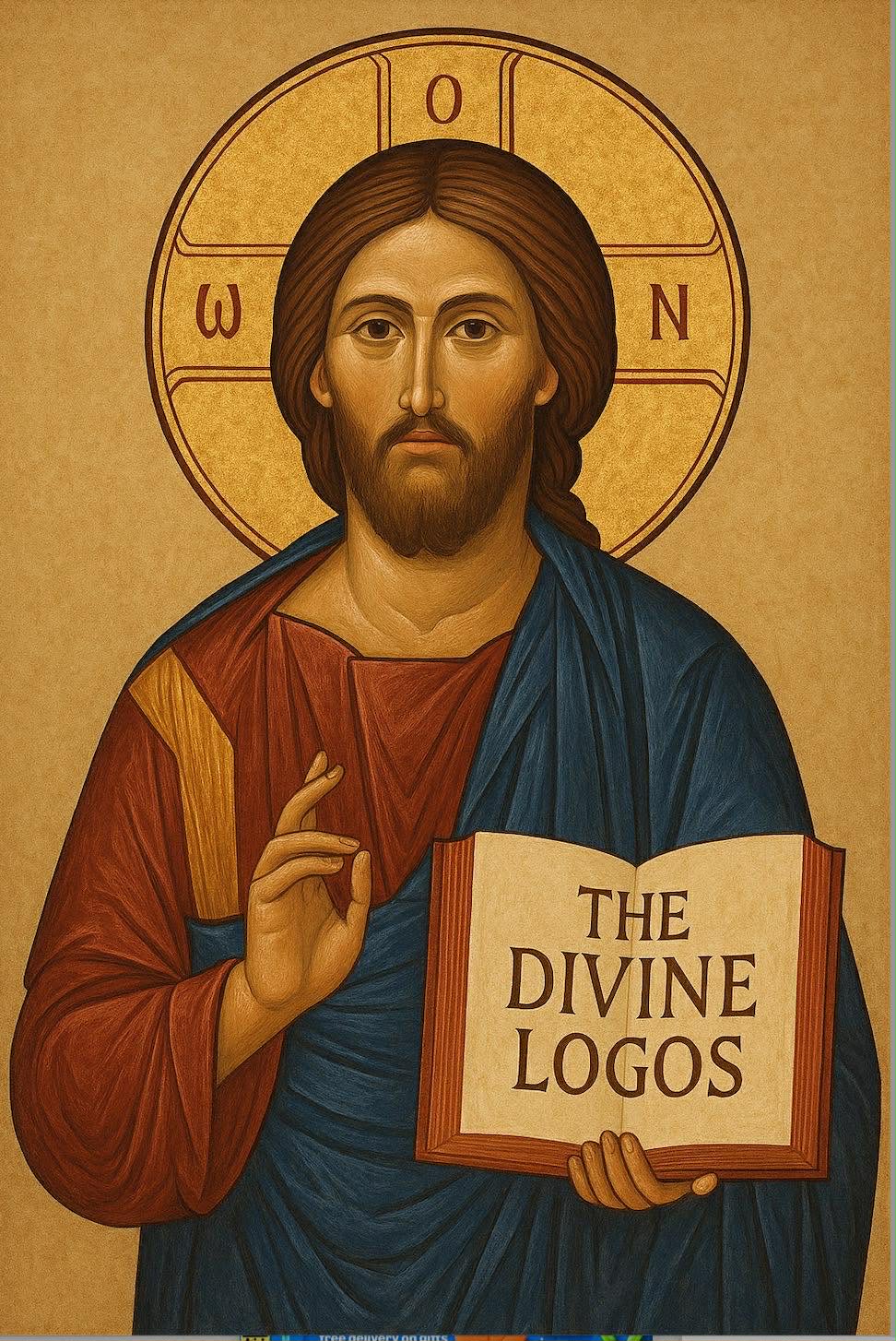
In Jesus, God does not merely send a message, He sends Himself. “The Word became flesh and dwelt among us” (Jn 1:14). As Dei Verbum proclaims, Jesus Christ is the “mediator and fullness of all Revelation” (DV 4; GDC 40). Through His words and deeds, His miracles and parables, His suffering, death, Resurrection, and the sending of the Holy Spirit, God speaks His final and definitive Word.
Jesus reveals the innermost mystery of God. He shows us that God is not distant, but “Emmanuel”, God with us, who enters our suffering to free us from sin and death and raise us to eternal life (DV 4). In Christ, Revelation is complete. There will be no new public Revelation beyond Him, for in Jesus, God has said everything.
This definitive Revelation establishes an eternal covenant that will never pass away (DV 4; 1 Tim 6:14). Catechesis, therefore, is always Christ‑centered, because Christ is the content, the message, and the goal of all catechesis.
Handing On the Revelation: Scripture, Tradition, and the Magisterium
But how does this Revelation reach us today?
Before the New Testament was written, the Gospel was first proclaimed. Christ entrusted His message to the Apostles, commissioning them to preach to all nations in the power of the Holy Spirit (GDC 43). What they received from Christ, through His words, actions, and the Spirit’s guidance, they handed on through their preaching, life, and worship. This living transmission is known as Sacred Tradition (CCC 81).
Under the inspiration of the same Holy Spirit, the Apostles and their successors committed the message of salvation to writing. Thus, Sacred Scripture came to be the written Word of God, faithfully expressing what God wished to reveal for our salvation (CCC 81; DV 9).
Authentic interpretation of both Sacred Scripture and Sacred Tradition is entrusted to the Magisterium, the living teaching office of the Church (CCC 85). Importantly, the Magisterium is not above the Word of God, but its servant, safeguarding and faithfully transmitting what has been handed on (CCC 86).
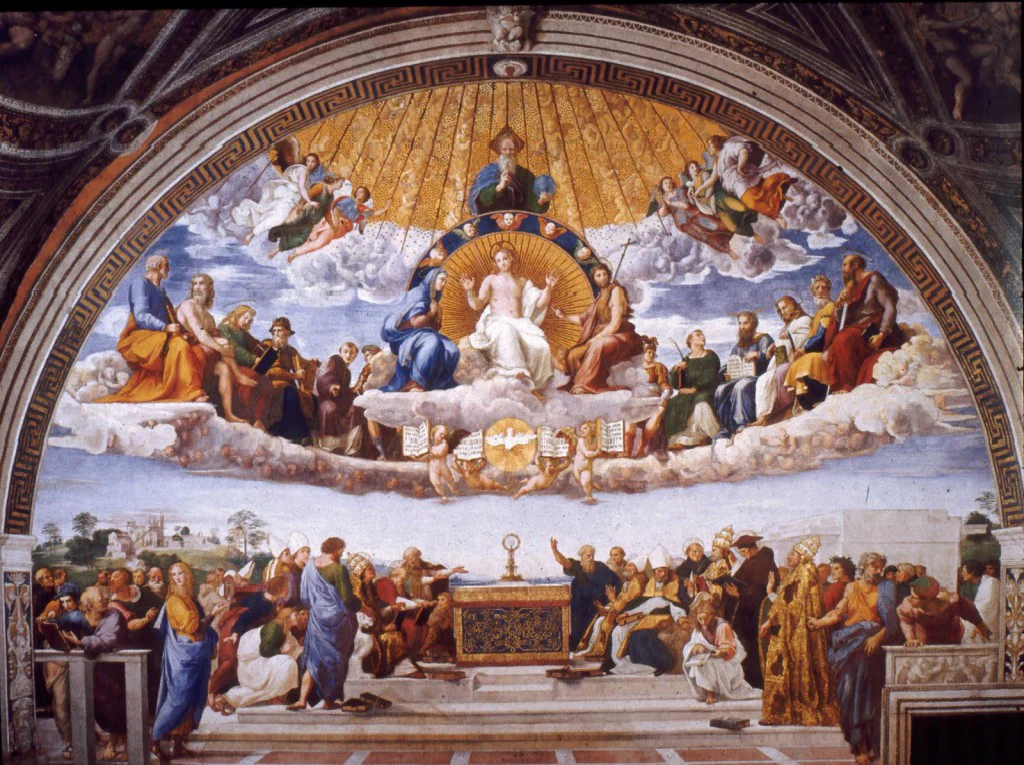
This living transmission of Divine Revelation, entrusted once and for all to the Apostles, is what the Church calls the Deposit of Faith. Guarded and faithfully handed on through Sacred Scripture and Sacred Tradition, and authentically interpreted by the Magisterium, the Deposit of Faith ensures that what we teach and proclaim in catechesis is not our own message, but the fullness of the truth revealed in Jesus Christ (cf. CCC 84–86; DV 10; GDC 95).
Scripture, Tradition, and the Magisterium are inseparably linked. None can stand without the others. Together, under the guidance of the Holy Spirit, they ensure that we encounter not a fragmented or distorted Christ, but the whole truth of Jesus Christ.
Revelation as the Soul of Catechesis
This truth has profound implications for catechesis. Revelation is not simply one topic among many, it is the content of catechesis itself. As the Church teaches, catechesis transmits what God has revealed in its fullness and integrity (GDC 39).
Yet catechesis does more than communicate information. It shares God’s purpose in revealing Himself. God reveals not to overwhelm us with knowledge, but to invite us into communion. Therefore, authentic catechesis always leads toward encounter, conversion, and relationship.
To catechize is to echo God’s own invitation: “Come and see.” We proclaim Christ as He has been revealed through the Church so that others may come to know Him personally, love Him deeply, and follow Him faithfully.
In the end, catechesis is an act of love, participation in God’s own desire that every human heart may finally rest in Him.
“In His Son, Jesus Christ, God has spoken His definitive Word. Whoever encounters Christ encounters the fullness of Revelation.”
Leave a Reply