By Jonathan Lumamba
Many of us are drawn to Jesus because of His mercy, His compassion, and the promise of heaven He offers. We listen to His words, we call ourselves His followers, and we find comfort in knowing that He walks with us. Yet when Jesus begins to speak about self-denial, sacrifice, and the Cross, something in us hesitates, and the crowd quietly grows smaller.
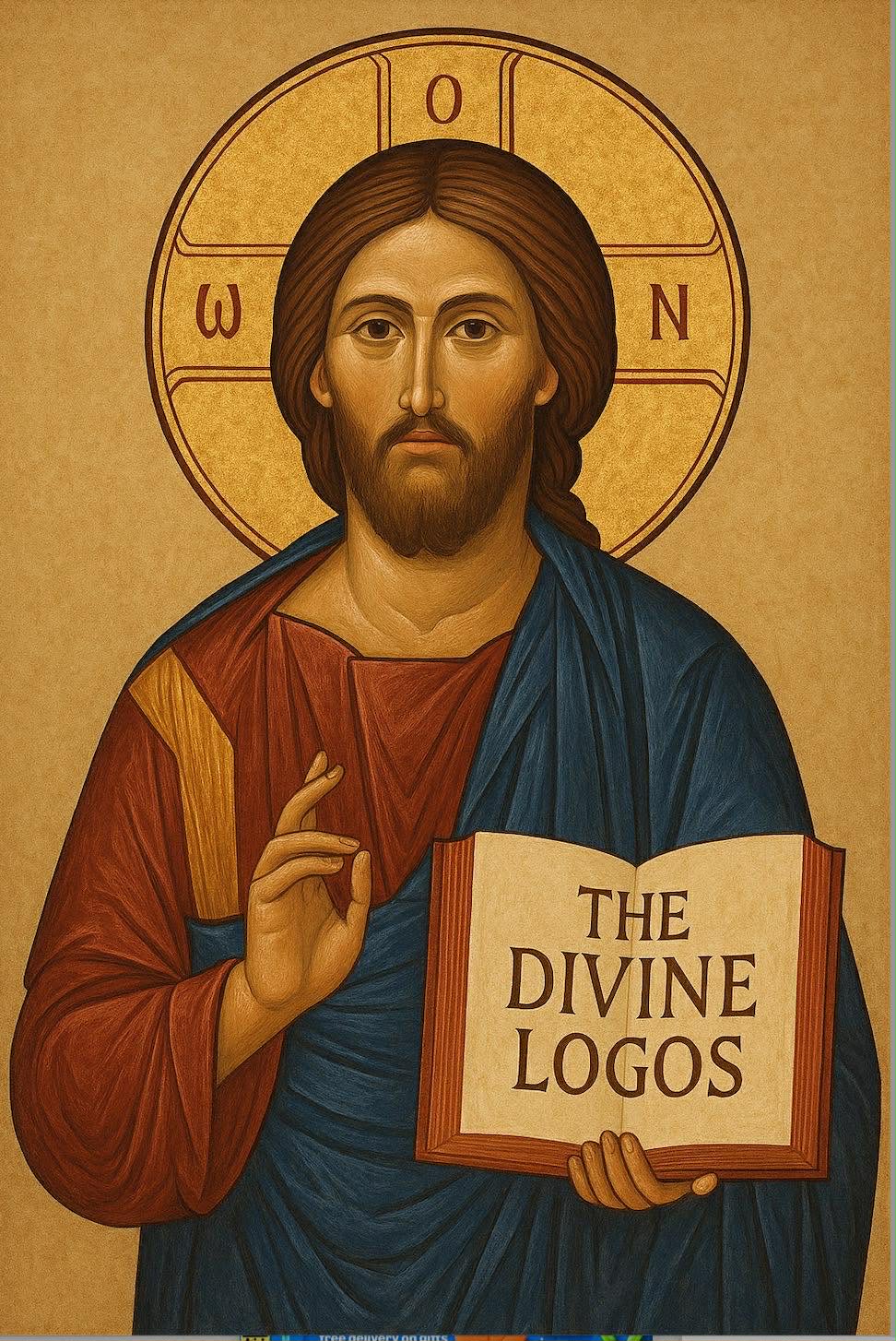
Jesus knows this struggle well. That is why He speaks with such clarity and honesty: “If anyone wishes to come after me, he must deny himself, take up his cross daily, and follow me” (Lk 9:23). Following Christ- Sequela Christi– is not simply admiring His goodness or agreeing with His teachings. It is the decision to entrust our entire life to Him, day after day. It is the most beautiful and life-giving journey a person can take, yet also one that exposes our weakness, for as the Lord Himself reminds us, “the spirit indeed is willing, but the flesh is weak” (Mt 26:41).
More Than Good Intentions
To become a true disciple of Christ requires more than good intentions or outward obedience. It demands a loving sacrifice, a daily choice of self-denial made not out of obligation, but out of love. Many of us desire to rejoice with Christ in glory, yet hesitate when discipleship asks us to suffer for His sake. Jesus tells us plainly, “If you love me, you will keep my commandments” (Jn 14:15). But He does not stop there. He calls us beyond mere compliance, inviting us into the fullness of love, to perfection in following Him.
A Personal Call to Follow
This call became real to me during my college years. Through my involvement in Youth for Christ (YFC), the youth ministry of Couples for Christ, an international Catholic lay organization, my love for the Church deepened, especially through formation and the faithful reception of the sacraments. Slowly, Christ began shaping my heart, not just to believe in Him, but to follow Him more seriously. By the time I finished college, I knew that my response to Christ could no longer remain half-hearted. I was willing to let go of the career I once desired in order to serve in the ministry and go on mission.
That journey led me far from what was comfortable and familiar. I served in Pakistan and parts of Asia, and eventually spent four years as a full-time missionary in the Caribbean, serving the youth ministry of Couples for Christ in collaboration with dioceses and parishes across various islands. Following Christ meant leaving home and being away from my family, especially my sickly parents. It was not easy. Yet then, as now, it was clear to me that this was where Jesus was calling me. And despite the sacrifices, it was worth it.
The Question That Reveals the Heart
The Gospel sheds light on this interior struggle in Jesus’ encounter with the rich young man (Matthew 19:16-22). Though the man had faithfully observed God’s law from his youth, he sensed that something was still missing. When he asked, “What do I still lack?” Jesus looked at him with love and invited him onto the path of perfection:
“If you wish to be perfect, go, sell what you have and give to the poor, and you will have treasure in heaven; then come, follow me.”
Faced with this radical invitation, the young man walked away sorrowful. He desired eternal life, but not at the cost of surrender.
What Sequela Christi Really Means
Christ’s call to “sell all” is not reserved for a select few; it concerns every disciple. It reveals the true depth of His commandment. Sequela Christi is not merely hearing Christ’s words or externally obeying His teachings, it is clinging to His very person (Cf. Veritatis Splendor # 19).
To follow Christ is to walk the path He Himself walked, sharing in His loving obedience to the Father. As St. Paul reminds us, Christ “humbled himself, becoming obedient unto death, even death on a cross” (Phil 2:8). In love, He freely laid down His life for us: “No one takes my life from me, but I lay it down of my own accord” (Jn 10:18).
To follow Christ, then, is to take up the Cross and follow Him, to lose our life for His sake, trusting that only in Him will we truly find it.
Trusting the Promise
Jesus did not merely teach holiness; He became our model of holiness. And in learning to trust Him completely, I discovered something deeply consoling: when we surrender ourselves to God’s will, He does not abandon those we love. While I was called to serve far from home, the Lord Himself took care of my parents. This was not a reward earned, nor a guarantee against suffering, but a grace received, a quiet reminder that God is never outdone in generosity. When we place everything in His hands, He remains faithful, providing for us and for those entrusted to our care.
As Jesus Himself promises, “Everyone who has left houses or brothers or sisters or father or mother… for my name’s sake will receive a hundredfold, and inherit eternal life” (Mt 19:29). What is entrusted to God is never lost.
All of this, the sacrifices, the missions, the distance from home, and the quiet ways the Lord cared for my parents, flows from the same invitation Jesus gives every disciple: “Come, follow me.” To follow Christ is not only to accept His teachings, but to allow His way of life to become our own. When we look closely at His life, we begin to recognize certain patterns that shaped everything He did; hallmarks of Sequela Christi: His loving obedience to the Father, His humility and simplicity, His freedom from attachment to possessions, His purity of heart and self-giving love, His deep life of prayer, His mercy toward the poor and wounded, and His willingness to suffer for love. These are not ideals reserved for a few heroic saints, but concrete ways Christ forms every vocation.
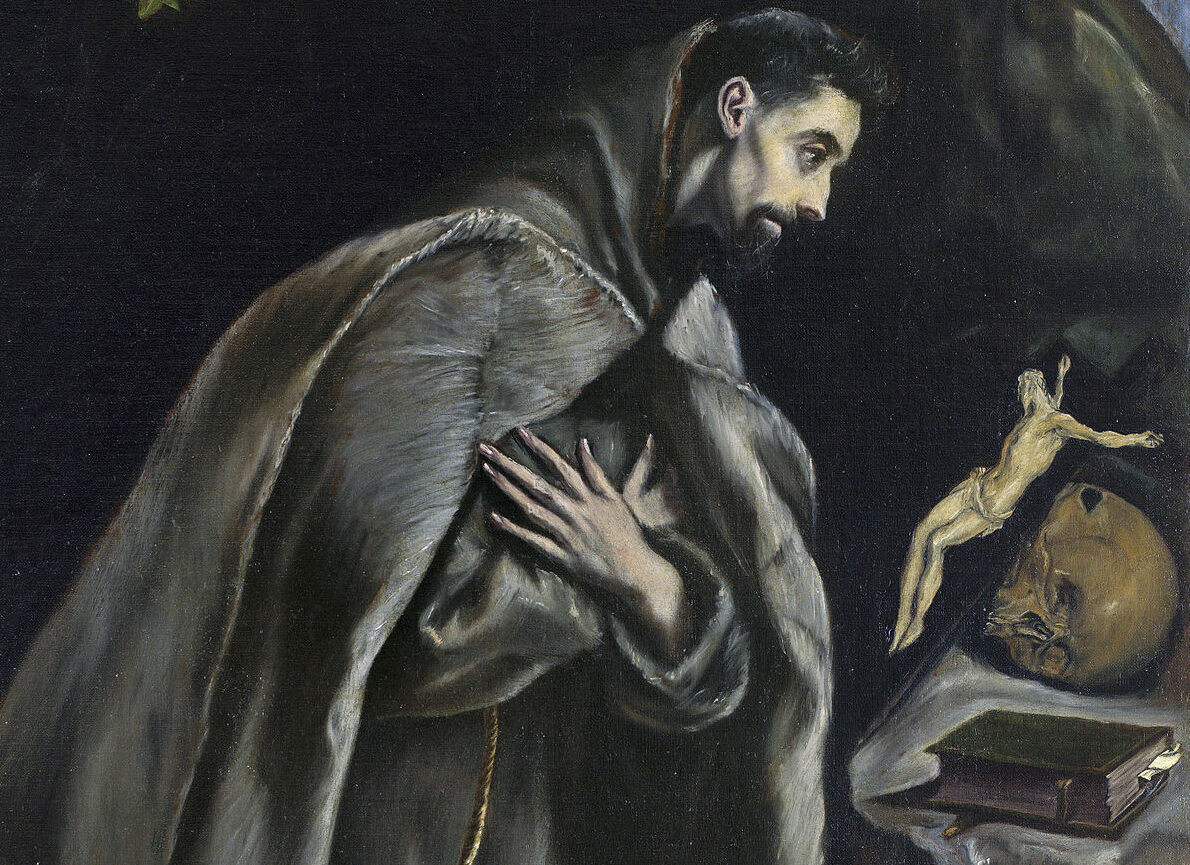
In the next reflection, I will explore these seven hallmarks through the life of St. Francis of Assisi, a young man who took Jesus at His word, lived the Gospel without compromise, and discovered that what is surrendered for Christ is never lost, but transformed.
A Word for Those Discerning
If you are discerning God’s call, whether to marriage, priesthood, religious life, or dedicated lay service, do not wait until you feel completely ready or fearless. God rarely calls the “finished version” of ourselves. More often, He calls us as we are and forms us along the way. Ask instead the deeper question of the rich young man: “Lord, what do I still lack?” Discernment is not first about choosing a state of life, but about learning to desire what God desires for you, trusting that His will always leads to your true freedom and happiness (cf. CCC 1731–1733).
Do not be afraid of what you may have to leave behind. The Catechism reminds us that detachment from created goods is necessary for freedom of heart (cf. CCC 2544), not because created things are bad, but because our hearts are made for something greater. What Christ asks us to surrender is never greater than what He desires to give. Following Him may cost you comfort, clarity, or control, but it will never cost you joy, purpose, or love.
In Sequela Christi, nothing is ever truly lost.
When we surrender our comforts, our plans, or even those we love most, God takes what we offer and transforms it. Our weakness becomes His strength, our need becomes His grace, and our daily crosses become a participation in His glory (cf. Mt 19:29, Lk 9:23). Every act of faithful surrender draws us closer to Him and bears fruit far beyond what we can imagine, fulfilling the promise that whoever follows Christ with a generous heart will find life, abundant, eternal, and fully embraced in His love (cf. CCC 1731–1733, 2544).
Leave a Reply